
Carrier selection is now a boardroom issue
Carrier vetting used to feel like a back-office compliance task. In 2026, it belongs in the main freight conversation. Shippers, brokers, and logistics teams are looking harder at who actually moves the load, what authority that carrier holds, how safety performance is documented, and how quickly those facts can be verified. The legal details may be handled by counsel, but the operational lesson is clear: carrier selection cannot be casual.
A shipment does not become safer because a name appears on a rate confirmation. Safety depends on the carrier's authority, equipment, drivers, operating habits, and communication discipline. The more complex the supply chain becomes, the more important it is to know which company is physically responsible for the freight and whether that company can show a real operating record.
What changed for shippers and brokers
The ruling sharpened attention on the steps taken before a load is tendered. Brokers and shippers are asking whether the carrier was properly authorized, whether safety data was checked, whether the carrier's insurance and operating profile matched the freight, and whether red flags were ignored. Even when legal responsibility is disputed, the business risk of weak vetting is obvious.
That does not mean every shipper needs to become a federal safety analyst. It does mean the process should be documented, repeatable, and connected to reliable sources. If your team cannot explain how a carrier is approved, who checks authority, how often the information is refreshed, and what disqualifies a carrier, the process is too loose.
What a practical vetting process includes
A sound process starts with authority. Confirm the carrier's legal operating authority, USDOT number, MC number, and authorization type. Check that the company is authorized for the freight you are moving. Confirm insurance and make sure the coverage matches your cargo and lane requirements. Review safety status and look for patterns that would require deeper review.
Then move from paperwork to operations. Does the carrier run the equipment needed for the load? Can it handle dry-van or refrigerated freight as required? Does it have drivers available for the lane, or is it accepting freight outside its real operating reach? How does dispatch communicate? Who handles exceptions after hours? The best vetting looks at both compliance and actual execution.
Why verifiable carriers matter
Verifiability is not just a defensive legal habit. It is a service habit. A carrier that can provide clear authority, safety information, contact details, equipment fit, and operating history is easier to trust because the facts are not hidden. That transparency gives shippers confidence before the load is on the road.
It also helps when something goes wrong. Freight rarely moves in perfect conditions. Weather changes, facilities run late, traffic backs up, and urgent loads appear with little warning. When a carrier is legitimate, reachable, and operationally disciplined, those problems are easier to solve. When a carrier was selected only because a rate was cheap and a truck was available, small problems can become expensive ones.
Do not confuse speed with control
Modern freight often rewards speed. A broker or shipper may need capacity fast, especially for same-day, rush, or recovery freight. But fast does not have to mean careless. A good process should let a team move quickly while still checking the basics. That is the value of having standards before the emergency starts.
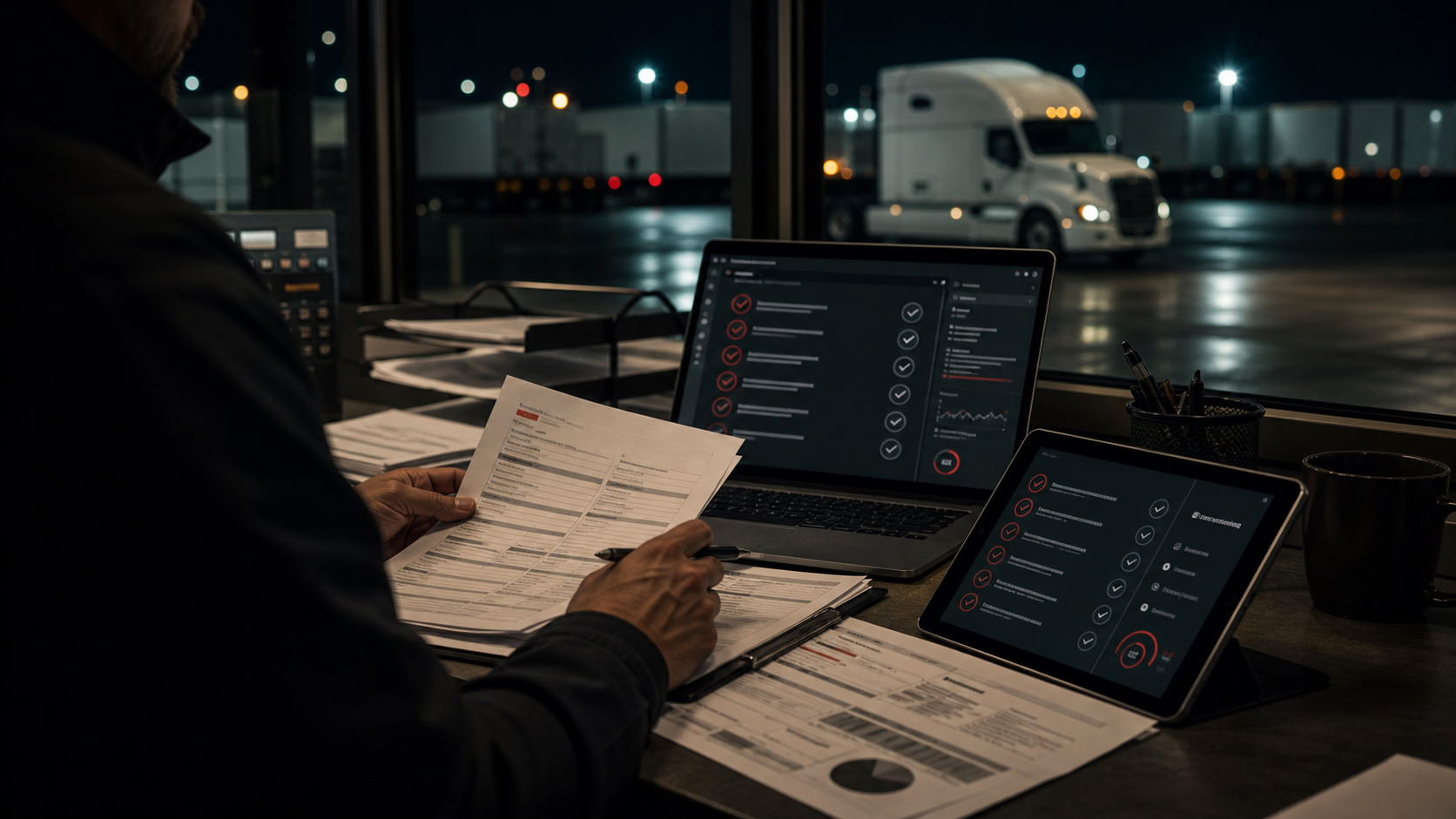
A simple checklist can help: active authority, matching equipment, appropriate insurance, satisfactory safety posture, verified contacts, clear pickup and delivery instructions, and a documented decision when an exception is approved. The checklist will not eliminate every risk, but it raises the floor. It prevents the most avoidable mistake: handing a load to a carrier nobody has truly reviewed.
The Daats standard
Daats Companies was built around a straightforward promise: Service with Integrity. For shippers, that means working with a carrier whose authority can be checked, whose safety posture is part of the conversation, and whose team understands that freight decisions carry real consequences. The company's active interstate authority is part of the public record shippers can use to verify who they are trusting.
This article is not legal advice, and every company should work with its counsel on liability and compliance questions. But the operational direction is hard to miss. Treat carrier vetting as a core part of freight quality. Ask for facts. Keep records. Favor carriers that are transparent about their authority, equipment, safety, and communication. In the new math of carrier selection, the cheapest option is not always the least costly one.
Shippers can make that standard practical by deciding what proof must be collected before a load is tendered. Keep the process simple enough that it can be followed under pressure, but serious enough that a rushed shipment does not bypass the basics. A strong carrier will not object to verification. It will understand that clear authority, clear contacts, and clear expectations protect everyone involved in the move.